
Aged vs fresh cheese
Fresh cheese is made to eat within days and tastes milky and mild. Aged cheese is ripened for weeks or years, which dries it out and builds a stronger, nuttier flavor.
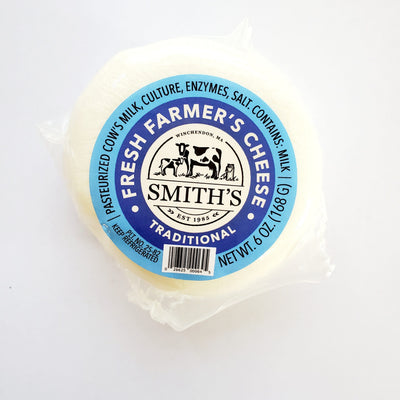

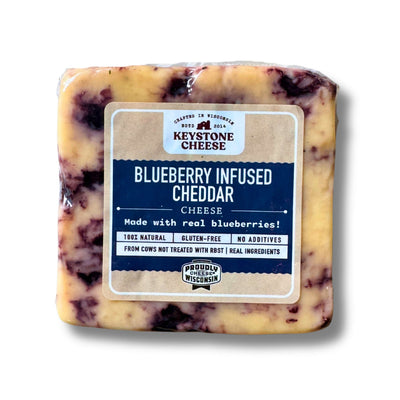
Side by side
| Fresh cheese | Aged cheese | |
|---|---|---|
| Aging | None, or a few days. | Weeks to several years. |
| Examples | Chevre, ricotta, mozzarella, burrata, feta. | Cheddar, Gruyere, Manchego, aged Gouda, Parmigiano Reggiano. |
| Texture | Soft and moist. Spreadable or springy. | Firm to hard. Sometimes crumbly or crystalline. |
| Flavor | Milky, tangy, mild. | Nutty, sharp, savory. |
| Once opened | About a week. | Three to four weeks, well wrapped. |
| Use it for | Salads, toast, pizza, or plain with honey or fruit. | Boards, grating, melting, snacking. |
Good to know
- Bloomy rind cheeses like Brie and Camembert sit in between: ripened a few weeks, soft inside.
- The crunchy bits in aged Gouda and Parmigiano Reggiano are crystals that form as the cheese ages. They are a sign of age.
- In the United States, cheese made from raw milk has to be aged at least 60 days before it is sold.
Cheese in stockAll cheese
Types of cheese, how to store cheese and what pairs with cheese. The cheese board builder picks a mix for your headcount.