
Madeline's Vinegar collection brings together craft wine vinegars, cider vinegar, rice vinegar, and aged balsamics from independent makers like American Vinegar Works and Acetaia Malpighi. It spans bright, slow-fermented red and white wine vinegars, apple cider vinegar, and IGP-certified balsamic of Modena aged for years,.
Start here
-
Oil & Vinegar Sampler
Vendor:American Vinegar WorksRegular price $55.00Sale price $55.00 Regular priceUnit price per -
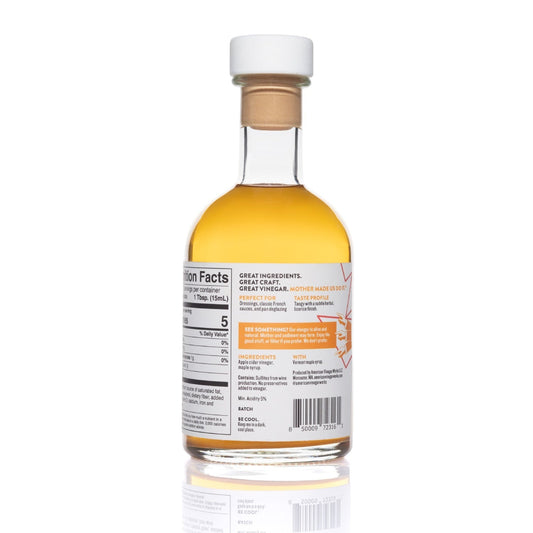
Maple Cider Vinegar
Vendor:American Vinegar WorksRegular price From $13.00Sale price From $13.00 Regular priceUnit price per -
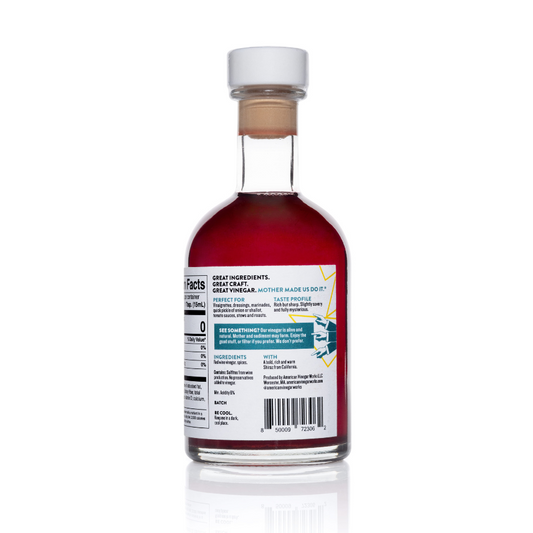
Ultimate Red Wine Vinegar
Vendor:American Vinegar WorksRegular price From $13.00Sale price From $13.00 Regular priceUnit price per -
Oil & Kitchen Essential Vinegars Set
Vendor:American Vinegar WorksRegular price $75.00Sale price $75.00 Regular priceUnit price per





-
Oil & Vinegar Sampler
Vendor:American Vinegar WorksRegular price $55.00Sale price $55.00 Regular priceUnit price per -
Maple Cider Vinegar
Vendor:American Vinegar WorksRegular price From $13.00Sale price From $13.00 Regular priceUnit price per -
Ultimate Red Wine Vinegar
Vendor:American Vinegar WorksRegular price From $13.00Sale price From $13.00 Regular priceUnit price per -
Oil & Kitchen Essential Vinegars Set
Vendor:American Vinegar WorksRegular price $75.00Sale price $75.00 Regular priceUnit price per -
Organic Balsamic Vinegar 8.5 oz.
Vendor:Jovial Foods, IncRegular price $5.69Sale price $5.69 Regular priceUnit price per -
Organic Balsamic Vinegar 17 fl. oz.
Vendor:Jovial Foods, IncRegular price $7.79Sale price $7.79 Regular priceUnit price per -
Black Garlic Vinegar
Vendor:Donkey ProvisionsRegular price $23.99Sale price $23.99 Regular priceUnit price per -
White Wine Vinegar
Vendor:Donkey ProvisionsRegular price $13.99Sale price $13.99 Regular priceUnit price per -
Apple Cider Vinegar
Vendor:Donkey ProvisionsRegular price $12.99Sale price $12.99 Regular priceUnit price per -
7 year Barrel Aged Apple Cider Vinegar
Vendor:Donkey ProvisionsRegular price $29.99Sale price $29.99 Regular priceUnit price per -
Fire Cider Vinegar
Vendor:Donkey ProvisionsRegular price $15.99Sale price $15.99 Regular priceUnit price per -
Beer Malt Vinegar
Vendor:Donkey ProvisionsRegular price $14.99Sale price $14.99 Regular priceUnit price per -
MIchigan Cherry Vinegar
Vendor:Donkey ProvisionsRegular price $21.99Sale price $21.99 Regular priceUnit price per -
Red Wine Vinegar
Vendor:Donkey ProvisionsRegular price $13.99Sale price $13.99 Regular priceUnit price per -
Black Balsamic Vinegar Glaze with Black Truffle (3.3oz)
Vendor:Angel's Salumi & TrufflesRegular price $19.70Sale price $19.70 Regular priceUnit price per -
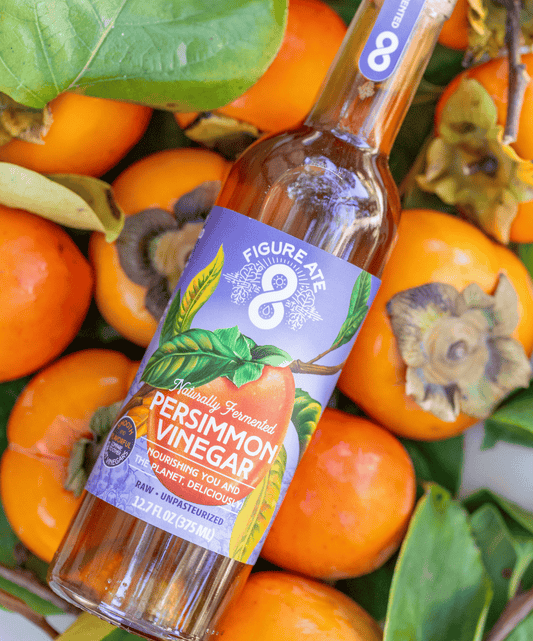
Naturally Fermented Persimmon Vinegar
Vendor:Figure Ate FoodsRegular price $18.99Sale price $18.99 Regular priceUnit price per -
Sarson's Malt Vinegar 300ml
Vendor:Ocanao British ShopRegular price $5.99Sale price $5.99 Regular priceUnit price per -
Acetaia Malpighi Prelibato White Balsamic Vinegar — Premium Italian Condimento Bianco
Vendor:Acetaia MalpighiRegular price $20.00Sale price $20.00 Regular priceUnit price per -
Acetaia Malpighi Saporoso Balsamic Vinegar of Modena — Rich & Savory Italian Condiment
Vendor:Acetaia MalpighiRegular price $24.00Sale price $24.00 Regular priceUnit price per -
Acetaia Malpighi Gold Balsamic Vinegar of Modena — IGP Certified, Aged 15-20 Years
Vendor:Acetaia MalpighiRegular price $30.00Sale price $30.00 Regular priceUnit price per -
Pomegranate Balsamic Vinegar of Modena
Vendor:Acetaia MalpighiRegular price $15.00Sale price $15.00 Regular priceUnit price per -
Acetaia Malpighi Platinum IGP – High-Density Balsamic Vinegar of Modena, Aged Over 25 Year
Vendor:Acetaia MalpighiRegular price $36.00Sale price $36.00 Regular priceUnit price per -
Acetaia Malpighi D.O.P. Traditional Balsamic Vinegar of Modena — Affinato Grade, Aged 12+ Years
Vendor:Acetaia MalpighiRegular price $100.00Sale price $100.00 Regular priceUnit price per -
Santorini Oregano Infused White Balsamic Vinegar
Vendor:Seasons Olive Oil & VinegarRegular price From $8.00Sale price From $8.00 Regular priceUnit price per -
Raspberry Infused Dark Balsamic
Vendor:Seasons Olive Oil & VinegarRegular price From $8.00Sale price From $8.00 Regular priceUnit price per -
Sicilian Lemon Infused White Balsamic Vinegar
Vendor:Seasons Olive Oil & VinegarRegular price From $8.00Sale price From $8.00 Regular priceUnit price per -
Red Apple Infused Dark Balsamic
Vendor:Seasons Olive Oil & VinegarRegular price From $8.00Sale price From $8.00 Regular priceUnit price per -
Pink Grapefruit Infused White Balsamic Vinegar
Vendor:Seasons Olive Oil & VinegarRegular price From $8.00Sale price From $8.00 Regular priceUnit price per -
Pedro Ximenez Sherry Vinegar
Vendor:Seasons Olive Oil & VinegarRegular price From $8.00Sale price From $8.00 Regular priceUnit price per -
Peach Infused White Balsamic Vinegar
Vendor:Seasons Olive Oil & VinegarRegular price From $8.00Sale price From $8.00 Regular priceUnit price per -
Roasted Garlic Infused White Balsamic Vinegar
Vendor:Seasons Olive Oil & VinegarRegular price $21.95Sale price $21.95 Regular priceUnit price per -
Strawberry Infused Dark Balsamic
Vendor:Seasons Olive Oil & VinegarRegular price From $8.00Sale price From $8.00 Regular priceUnit price per -
Pomegranate Infused Dark Balsamic
Vendor:Seasons Olive Oil & VinegarRegular price From $8.00Sale price From $8.00 Regular priceUnit price per -
Sweet Butter Infused Olive Oil
Vendor:Seasons Olive Oil & VinegarRegular price From $8.00Sale price From $8.00 Regular priceUnit price per -
Teriyaki Infused Dark Balsamic
Vendor:Seasons Olive Oil & VinegarRegular price From $8.00Sale price From $8.00 Regular priceUnit price per




Sold out right now
Leave your email and we will send one note when the maker restocks it. No newsletter, no promises on when.
Madeline's Vinegar collection brings together craft wine vinegars, cider vinegar, rice vinegar, and aged balsamics from independent makers like American Vinegar Works and Acetaia Malpighi. It spans bright, slow-fermented red and white wine vinegars, apple cider vinegar, and IGP-certified balsamic of Modena aged for years, in sizes from small finishing bottles to larger kitchen bottles. Whether you want a vinegar for dressings and brines or a sweeter aged balsamic for finishing, you can shop by style and use here.
How to choose
- Match the vinegar to the job. Bright wine and cider vinegars are workhorses for dressings, brines, and deglazing, while aged balsamic is sweeter and meant for drizzling at the end.
- Follow the base. Wine vinegars carry the character of the grape, cider vinegar is fruity and tangy, and rice vinegar is mild and slightly sweet.
- Consider age and density. Older, denser balsamics are thicker and sweeter and are used by the spoonful, while younger vinegars are thin and sharp for everyday cooking.
- Think about size. Small bottles suit finishing vinegars you use sparingly, while larger bottles are better value for vinegars you cook with often.
- Check the label for certification. Terms like IGP on balsamic of Modena indicate a protected regional product; the product page notes origin and aging.
- Pair it up. Vinegars work alongside the oils, salad dressing, and condiments collections for building dressings and marinades.
Frequently asked questions
What is the difference between wine vinegar and balsamic vinegar? Wine vinegar is made by fermenting wine into a sharp, bright vinegar good for dressings and cooking, while balsamic is made from cooked grape must and aged, giving it a sweeter, thicker character often used for finishing.
Which vinegar is best for salad dressing? Red and white wine vinegars and cider vinegar are common choices for vinaigrettes because of their bright acidity. Lighter balsamics also work, while thick aged balsamic is usually drizzled rather than whisked in.
What does IGP mean on balsamic vinegar? IGP is a protected geographical indication for balsamic vinegar of Modena, signaling it was produced in that region under specific rules. The product page lists the certification and aging details.
Does vinegar expire? Vinegar is highly acidic and very shelf-stable, so it keeps for a long time when sealed. Over time, color may shift or harmless sediment may form, which does not mean it has gone bad.
How should I store vinegar? Keep vinegar tightly sealed in a cool, dark place away from heat. It does not require refrigeration, though aged balsamics should be kept away from direct light to preserve their character.